




Clarify What You Really Want From Creatine

People comparing creatine gummies vs powder usually aren’t questioning creatine itself. The supplement is backed by decades of research, and most lifters already know it helps with strength, short-burst performance, and recovery. What typically pushes someone to explore gummies is simpler: they want a version they’ll actually remember to take.
Powder is familiar, inexpensive, and easy to measure. The downside is that not everyone likes mixing drinks or carrying a shaker. That’s where gummies become interesting. A sugar-free, vegan option that delivers 5000 mg of creatine monohydrate per serving and comes in a 75-gummy bottle (25 servings) doesn’t feel like work. It feels like something you can take during a commute, before a meeting, or right after waking up—no water required.
Define Your Training and Recovery Priorities

Creatine’s job is to help your muscles replenish ATP faster during intense efforts. Whether you’re deadlifting, sprinting, or pushing through a tough circuit, that quick energy makes a noticeable difference. So if your goals revolve around strength or high-intensity performance, creatine is a logical addition, regardless of how you take it.
Where your personal preference comes in is the delivery method. Someone who already uses powdered pre-workout or protein might not mind adding another scoop to the mix. Someone else—especially a lifter who tends to rush workouts between other responsibilities—might value the simplicity of a chewable. With gummies, especially ones that blend creatine with modest amounts of Beta-Alanine (30 mg), L-Citrulline (150 mg), L-Carnitine (50 mg), and Vitamin B12 (150 mcg), the routine feels streamlined.
Match Your Lifestyle to Dosage Consistency
Creatine only works if you take it daily. Not on most days—daily. That’s where lifestyle matters far more than format. Some people forget powder on rest days or stop using it because they dislike the taste. Others simply get tired of mixing drinks.
Gummies eliminate those obstacles. A sugar-free mixed-berries formula is easy to keep in a gym bag or at your desk. You can take it without thinking, and that low-effort consistency is what ultimately raises creatine stores over time. It’s the “stick to it” factor, not the science, that ends up separating the two formats for most people.
Compare How Creatine Gummies and Powder Act in Your Body

Despite the different textures, the creatine molecule remains identical whether it comes in a scoop of powder or a sweet chew. Your body breaks it down and absorbs it the same way. In other words, there’s no special version of creatine hiding inside gummies.
What does vary are all the small details surrounding the creatine: flavor, convenience, added nutrients, and how the format fits your daily flow.
Understand Creatine Monohydrate in Simple Terms
Creatine monohydrate is straightforward. Once absorbed, it increases your muscles’ phosphocreatine stores, which helps you regenerate ATP more quickly. That’s why you can grind out extra reps or recover faster between intervals. Most research aligns around 3–5 grams per day, which is exactly what you get from a serving that contains 5000 mg of creatine monohydrate.
Gummies simply wrap that dose in a different package. If anything, they remove the uncertainty some beginners feel when they’re trying to level a scoop properly.
See Why Delivery Form Doesn’t Change Creatine’s Core Mechanism

After a gummy breaks down in your stomach, creatine behaves just like the powder you’d scoop into a shaker. The real distinction lies in the supporting ingredients that often show up in gummy formulas. Some of these extras have interesting backstories that many lifters don’t hear about until they’ve used them for a while. For instance, Beta-Alanine is the same ingredient that can create that quick, harmless “tingle” during tough workouts—an odd sensation the first time, but a sign it’s helping raise carnosine levels. L-Citrulline has its own trivia: it was originally identified in watermelon nearly a century ago, which is why many brands pair it with fruity flavors.
Vitamin B12 plays a different role altogether. It’s part of normal energy metabolism and red blood cell formation, something you notice on long training days when fatigue creeps in faster than you’d like. L-Carnitine, meanwhile, supports the transport of fatty acids into the mitochondria—essentially helping your body turn stored fuel into usable energy. These quantities in creatine gummies vs powder aren’t meant to mimic a full pre-workout, but they can add a small layer of support to your daily creatine routine. And for people who enjoy simple, all-in-one habits, that little extra tends to make the format feel more effortless.
Evaluate Performance Benefits of Creatine Gummies vs Powder
Link Proven Creatine Benefits to Everyday Gym Results
Regardless of format, creatine can help you:
- Push more reps during heavy training
- Gain strength and power over time
- Recover more efficiently between sets
- Support lean mass growth
- Maintain better output during high-intensity intervals
These benefits come from consistent creatine levels—not from the form you choose.
Explain How Properly Dosed Creatine Gummies Can Be Just as Effective

Weigh the Pros and Cons of Creatine Gummies for Your Lifestyle
Highlight Convenience, Flavor, and Formulation Options in Gummies
A big part of the gummy appeal is that they feel more like a quick treat than a supplement. You don’t need a shaker, water, or a moment to measure anything. You simply take the serving—often just a couple of gummies—and get on with your morning or training session. That alone explains why many people stick with gummies more consistently than powder.
There are also options that line up with different dietary needs. For example, sugar free creatine gummies help users avoid unnecessary calories, while vegan creatine gummies rely on pectin rather than gelatin. A formula that combines 5000 mg creatine monohydrate with smaller amounts of Beta-Alanine, L-Citrulline, L-Carnitine, and Vitamin B12 gives the product a more rounded “daily performance support” feel and can appeal to users who prefer an all-in-one approach.
Flavor plays a role too. Mixed berries is a common choice because it’s familiar and tends to hide the natural bitterness of creatine without adding sugar. For people who genuinely dislike powders—or simply forget to mix them—gummies remove a barrier that often derails consistency.
Acknowledge Trade-offs Such as Cost and Serving Size

Of course, there are trade-offs. Gummies typically cost more per gram of creatine than a bulk tub of powder. That’s partly due to the production process and partly because gummies include more ingredients, such as pectin, natural flavors, or sweeteners.
Serving size is another consideration. While some products offer the full daily 5000 mg in a single serving, others require multiple gummies to reach that amount. Users watching their calorie intake or those who don’t want to chew several pieces each day should double-check the label.
Stress the Importance of Third-Party Tested Creatine Gummies
Because gummies involve more components than powder, quality control becomes especially important. Looking for lab tested creatine gummies—ideally verified through ISO 17025-certified laboratories—helps ensure the labeled creatine content is accurate. Manufacturing under GMP standards also reduces variability in texture, potency, and purity.
Well-tested products are not just safer—they’re more reliable. When you take a daily supplement, predictability matters.
Decide Whether Creatine Gummies or Powder Fit Your Training Goals

Choose Gummies if Taste and Adherence Are Your Main Barriers
Gummies tend to be the best fit for:
- New lifters who want something simple
- Anyone who dislikes the taste or texture of powder
- People who train after work, travel often, or forget to pack a shaker
- Those who prefer a sugar-free, vegan daily supplement
If consistency has been your weak point in the past, gummies often solve that problem. A sugar-free, mixed-berries option with 5000 mg creatine monohydrate per serving makes it incredibly easy to stay on track day after day.
Choose Powder if Budget and Flexible Dosing Come First

Super Beets Heart Chews
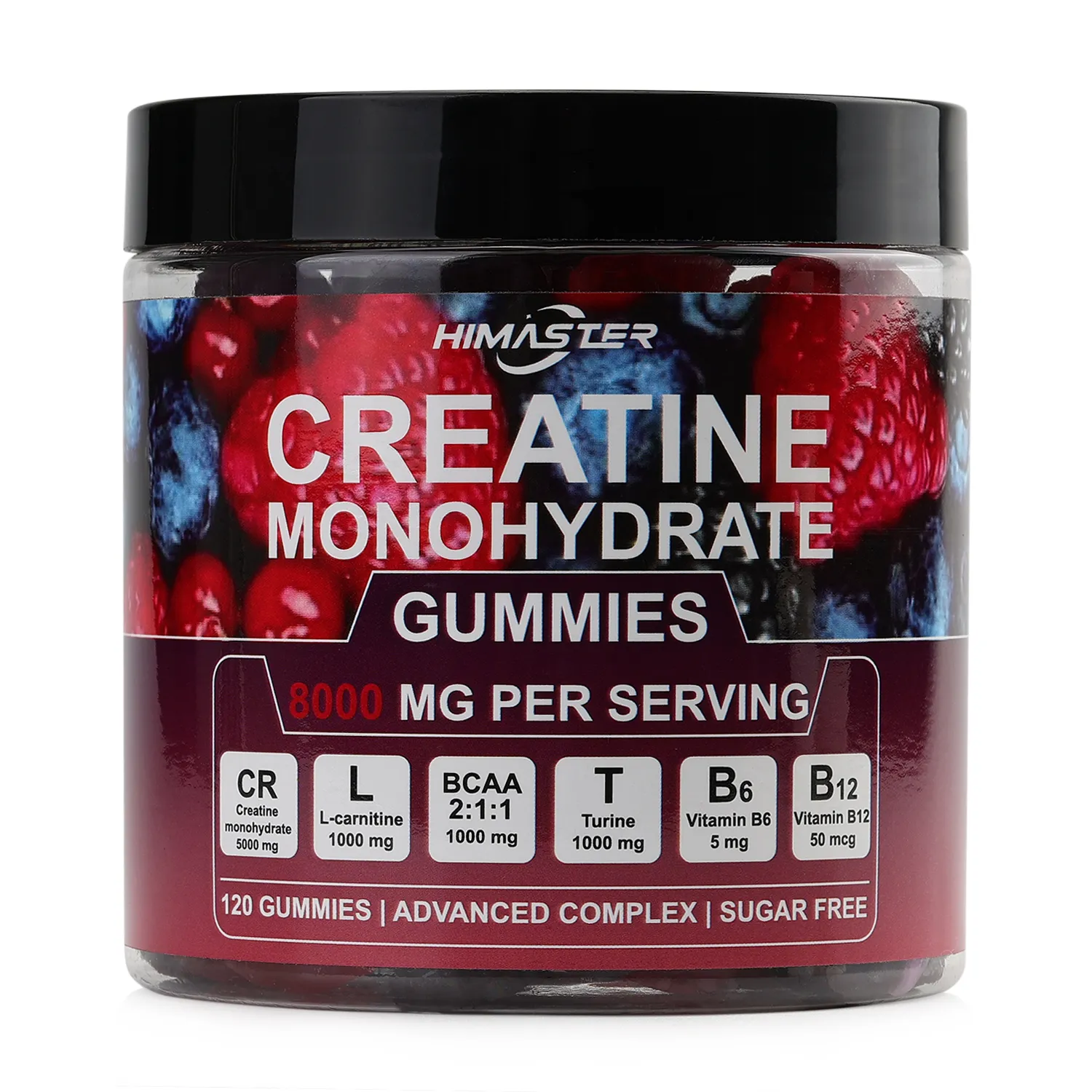
Creatine Monohydrate Gummies for Men & Women
Powder still rules when cost is the deciding factor. Bulk creatine monohydrate can deliver months of supplementation for a fraction of the price of gummies. It also allows athletes who follow higher-dosage protocols to measure exactly what they want without consuming additional ingredients.
Competitive athletes or seasoned gym-goers who already mix several supplements might find powder fits neatly into their existing routines.
Mix Formats if You Want Ultimate Flexibility

Some people blend the two: powder at home, gummies on busy days. This approach works surprisingly well because it covers gaps while maintaining muscle saturation. If you keep a bottle of gummies in your bag—especially a straightforward serving that provides a full daily dose—you’re less likely to miss a day.
For people shopping across formats, browsing the creatine supplement collection on himaster.store makes comparison easier because gummies and powders appear side by side with clear ingredient lists
Choose a High-Quality Creatine Gummy Safely
Verify the Actual Grams of Creatine per Serving on the Label
Some products list “creatine matrix” or a vague “performance blend,” and it’s surprisingly easy to overlook how little creatine you’re actually getting. If you’ve ever bought a supplement that looked strong on the front but turned out weak on the facts panel, you’ll know exactly why this matters. A clearly labeled serving—like 5000 mg of creatine monohydrate per serving—removes guesswork and keeps your routine predictable. And when a bottle includes 75 gummies (25 servings), you can quickly see how long it’ll last without doing mental gymnastics.
Since many people like to know what else they’re taking, especially in creatine monohydrate gummies, it often helps to break down the supporting nutrients too. Here’s a simple look at how the formula stacks up per daily serving. Nothing flashy—just the essentials:
| Ingredient | Amount per Serving | Role in the Body |
|---|---|---|
| Creatine Monohydrate | 5000 mg | Supports ATP regeneration and strength output |
| L-Citrulline | 150 mg | Helps promote blood flow; originally discovered in watermelon (fun fact) |
| Beta-Alanine | 30 mg | Supports carnosine levels; can cause the familiar "tingle" some lifters joke about |
| L-Carnitine | 50 mg | Transports fatty acids into mitochondria for energy use |
| Vitamin B12 | 150 mcg | Helps normal energy metabolism and red blood cell formation |
Review Sugar Content, Dietary Suitability, and Additional Ingredients
Sugar-free is a major advantage for people monitoring calories or blood sugar. Vegan formulas made from pectin instead of gelatin ensure plant-based users can incorporate creatine without compromise.
Creatine gummies increasingly include supportive extras such as L-Citrulline, Beta-Alanine, L-Carnitine, and Vitamin B12. While these ingredients are typically added in small amounts, they can complement creatine’s role by supporting recovery, energy metabolism, and blood flow.
Confirm Third-Party Testing and Manufacturing Standards

Quality matters—especially with formats that combine multiple nutrients. Look for signs of third-party testing, ideally through ISO 17025-certified labs, along with GMP manufacturing standards. These markers indicate the product has been checked for purity, potency, and accuracy.
A well-tested gummy is more likely to match the label from one batch to another. When you’re taking something daily, that consistency is worth prioritizing.
Use Creatine Gummies Correctly for Best Strength and Recovery Gains
Decide How Many Creatine Gummies to Take Each Day
Most adults respond well to 3–5 grams of creatine monohydrate per day. A serving of gummies that already provides 5000 mg of creatine monohydrate eliminates guesswork—you take the serving, and you’re covered. Some gummies require multiple pieces to hit that total, while others package the full dose into a single serving size. That’s why reading the label helps avoid under-dosing.
A loading phase (20 grams per day split over a week) isn’t mandatory. Plenty of people skip it entirely and let muscle levels rise gradually over two to three weeks. What matters most is consistency, not speed.
Time Your Creatine Intake Around Training and Meals
People sometimes worry about whether creatine should be taken before or after a workout, but research repeatedly shows that timing isn’t critical. Daily intake is. If you prefer taking gummies before training because it fits your routine—and you like the taste—that’s perfectly fine. Others take their creatine with breakfast or even at night.
When creatine is part of a gummy formula with added L-Citrulline, Beta-Alanine, or Vitamin B12, some users enjoy taking it closer to training simply because it mentally feels like a pre-workout ritual. But again, saturation over time is what drives results.
Combine Creatine Gummies with Hydration, Sleep, and Nutrition
Resolve Specific Concerns About Safety and Side Effects
Understand Common Creatine Side Effects and How to Minimize Them

Typical creatine-related issues include mild bloating, temporary water retention, or stomach discomfort if you take a large dose all at once. These aren’t unique to gummies or powder; they’re simply part of how creatine behaves. Splitting servings, staying hydrated, and allowing your body to adjust usually minimizes any discomfort.
Gummies that are sugar free or vegan can be easier on some people’s digestion, especially those who avoid sugar alcohols or gelatin. A moderate ingredient profile—like 5000 mg creatine plus light support from Beta-Alanine and L-Citrulline—tends to be well tolerated for daily use.
Check When Creatine Gummies May Not Be Appropriate
Most healthy adults can use creatine without issue, but people with medical conditions involving kidney function, fluid balance, or certain medications should consult a healthcare professional before adding creatine. Gummies don’t change this guidance—they simply package creatine differently.
This article aims to educate, not provide medical advice. If you aren’t sure how creatine interacts with your situation, a quick conversation with a professional is worthwhile.
FAQs

Do creatine gummies work as well as powder when taken daily?
Are creatine gummies worth the extra cost for most gym-goers?
Can creatine gummies replace all other pre-workout products?
How fast can you expect results from creatine gummies?
Is long-term creatine gummy use safe for healthy adults?
Can creatine gummies help maintain hydration or reduce fatigue?
Do creatine gummies still work if I forget a dose once or twice?
Comparison Table: Creatine Gummies vs Powder

| Feature | Creatine Gummies | Creatine Powder |
|---|---|---|
| Typical dose | Full 5000 mg serving or multiple gummies | Usually one 3-5 g scoop |
| Convenience | Extremely high; no mixing | Moderate; requires water/shaker |
| Cost | Higher per gram | Very low |
| Portability | Excellent | Good, less discreet |
| Sugar-free options | Widely available | Common (unflavored powder) |
| Vegan compatibility | Available via pectin-based formulas | Standard monohydrate is vegan |
| Added ingredients | Often includes light support nutrients (e.g., B12, Beta-Alanine) | Rare |
| Flavor | Mixed berries and others | Usually neutral |
| Quality testing | Many options ISO 17025 / GMP | Also common |
| Best for | Busy users; adherence; taste preference | Budget-conscious lifters and high dosers |
Final Thoughts
Choosing between creatine gummies vs powder isn’t a question of which one works. They both do. What actually determines your results is whether the format fits your daily life well enough that you’ll stick to it for months at a time.
Gummies—especially sugar-free, vegan options delivering 5000 mg of creatine monohydrate per serving—offer unmatched convenience and taste. Powder remains unbeatable for value and flexible dosing. Some lifters even combine both: powder at home and gummies when life gets hectic. If you’re curious about exploring either format further, the product breakdowns available through the creatine collection on himaster.store can be a helpful starting point
In the end, the best format is the one that keeps you consistent. Creatine is simple—but only if the routine feels simple too.