



Before You Start
If you’ve ever looked up shilajit, you’ve probably seen claims ranging from “miracle mineral” to “Ayurvedic superfuel.” Some of that’s hype, but the science behind this ancient resin is fascinating—and worth understanding before you take your first scoop.
The goal of this guide is simple: help you use Himalayan shilajit safely and effectively, whether your focus is steady energy, recovery, or overall balance. Let’s start from the beginning—how to pick real, pure resin that actually works.
1. Choose Your Shilajit Format and Purity
Not every shiny jar with the word “Himalayan” means it’s genuine. The difference between good and bad shilajit is night and day. True A-grade Himalayan shilajit is a thick, sticky resin that naturally oozes from high-altitude rocks after centuries of plant and mineral transformation. It’s not a powder or extract—it’s the pure form used in traditional Ayurveda.
The HiMaster Himalayan Shilajit Resin, gathered at roughly 18 000 feet (≈ 5500 m), comes from one of the cleanest mountain regions on Earth. Air that thin carries minimal pollution, and the natural geological pressure there concentrates over 85 trace minerals, including fulvic acid, humic acid, and essential amino acids. These compounds help support nutrient absorption, energy metabolism, and cellular repair.
Because it’s taken straight from the source, the resin maintains its native structure—something capsules or powdered forms can’t fully preserve. Ayurvedic practitioners often call this the “living resin” for a reason.
When buying, always check for transparency. Trustworthy suppliers show their third-party lab results and keep heavy-metal content below 0.1 ppm for lead, arsenic, and cadmium. Brands like HiMaster Store openly publish certificates and altitude data, so you know you’re getting the real thing.
Himalayan Shilajit vs Other Sources
You’ll also find shilajit from the Altai, Tibetan, or Caucasus mountains. Each has unique minerals, but Himalayan deposits stand out for higher fulvic-acid concentration and smoother consistency. When dissolved, the resin turns warm amber and leaves no gritty residue—a good sign of natural purity.
Lower-altitude sources sometimes need chemical purification to remove contaminants. Himalayan resin, formed under extreme pressure and cold, rarely does. That difference is why most users describe it as “clean energy” rather than a stimulant rush.
If you want to see lab comparisons or details on mineral variance between regions, the HiMaster Blog has an excellent breakdown.
Organic Shilajit and Lab Testing
The word organic can sound reassuring, but in supplements it means little without proof. Properly purified shilajit should go through microbial, solvent, and heavy-metal testing—and none of that involves bleach or alcohol.
Each HiMaster batch stays chemical-free, additive-free, and unsweetened. The texture is smooth, slightly sticky, and melts easily in warm liquid. Every jar includes a small measuring spoon, which makes it easier to stay consistent with dosage.
If a resin smells metallic or doesn’t dissolve, it’s not properly processed. Real shilajit should taste earthy, slightly bitter, and leave your mind clear—not fuzzy. Choosing an organic, lab-tested resin ensures you’re getting minerals, not hidden toxins.
2. Calculate Your Daily Shilajit Dosage

Once you’ve got quality resin, the next step is figuring out how much to use. There’s no one-size-fits-all dose. Think of it more like tuning an instrument: your goal is balance, not volume.
Most healthy adults do well at 600 – 800 mg per day, roughly a pea-sized piece. Beginners can start around 300 mg once daily, usually after breakfast, and note how their body responds. With time, you may split servings—one in the morning, one before workouts.
Below is a simple reference table you can adapt:
| User Type | Daily Amount (mg) | Split Doses (1× / 2×) | Timing (morning / pre-workout / evening)** | Mixing Option (water / milk / tea / coffee)** | Notes |
|---|---|---|---|---|---|
| Beginner / Adult | 300 – 400 | 1× | Morning (after breakfast) | Warm water or milk | Start low; watch energy response |
| Regular User | 600 – 800 | 1× or 2× (300 + 300) | Morning + evening or pre-workout | Milk or tea | Stay hydrated throughout the day |
| Athlete / Trainer | Up to ~1000 * | 2× (500 mg twice) | Morning + pre-workout | Coffee or warm water | Use only if tolerated; seek professional advice |
Standard Serving Size: 600–800 mg
That little pea-sized amount might not look like much, yet it’s potent. Drop it into warm water or milk, let it dissolve, and sip slowly. Full dissolution ensures smoother taste and better absorption.
Clinical reviews, including a 2021 paper in the Journal of Ethnopharmacology, note that adults tolerate up to 1 g daily without issues. Ayurveda has echoed the same for centuries—steady use beats big doses.
Adjust for Tolerance and Routine
No two routines are alike. On rest days, half your regular amount may feel perfect; before a tough workout, a second small serving can help. The point is consistency, not intensity.
If you’re pregnant, on medication, or managing chronic conditions, talk with your doctor first. Shilajit’s rich mineral profile can influence how your body absorbs other nutrients.
Listen to your body. When the dosage is right, you’ll feel calm focus—not overstimulation.
3. Mix Shilajit Resin for Best Dissolution
Warm Water vs Milk vs Tea

Use warm water (40–50 °C / 104–122 °F)—never boiling. High heat can damage delicate organic acids, while cold water leaves the resin clumpy. Stir until it dissolves completely, turning into a dark amber drink.
If you prefer a smoother taste, go with warm milk. The natural fats tone down bitterness and help your body absorb fat-soluble compounds. Herbal tea or mild coffee can work, too; just avoid excessive caffeine since shilajit already promotes natural energy.
Many people take their first serving with milk in the morning for focus, then mix it with water before workouts. More creative options—like the “Shilajit Latte”—can be found on the HiMaster Blog.
Stirring Tips for Resin
- Use the included measuring spoon (~0.3 g).
- Drop the resin into your warm liquid.
- Wait a few seconds; stir gently for 15–20 seconds.
- Drink while it’s still warm.
Avoid metal spoons if possible—wood or silicone keeps minerals intact. The goal is a silky, earthy drink with no sediment.
That short ritual—measuring, stirring, sipping—connects modern routines with a practice used in the Himalayas for generations. It’s not just supplementation; it’s a mindful pause that reminds you to start the day grounded.
4. Time Your Servings for Steady Energy

Knowing when to take your shilajit can make as much difference as how much you take. The resin supports energy production at the cellular level, so timing it with your natural rhythm enhances results.
For most users, the best time is morning, preferably on an empty stomach or right after breakfast. This helps jump-start nutrient transport and provides calm focus throughout the day. The next most popular time? Pre-workout, about 30–60 minutes before training.
Unlike caffeine or synthetic boosters, Himalayan shilajit delivers a gradual rise in stamina without a crash. If your workday is long, some people prefer splitting the daily portion—half in the morning, half in the early evening—to maintain balance.
Keep in mind: late-night servings can delay sleep for sensitive users, not because it overstimulates but because it lightly boosts alertness. So, it’s best to keep your last serving before 6 p.m.
If you’re unsure where to begin, you can follow the dosage planner in Section 2 or read user routines shared on the HiMaster Blog—real stories make it easier to find your rhythm.
Morning Routine for Focus
Think of morning shilajit as a nutrient activator. When taken with warm water or milk right after waking, its fulvic acid starts the nutrient-transport chain that feeds mitochondria—the engines of your cells.
You may not feel an instant buzz, but after a few days of consistent use, mental clarity improves. Many users say the fog lifts, leaving them more alert without jitteriness. Try pairing it with light stretching or meditation; the resin complements calm focus surprisingly well.
Pre-Workout Timing
For fitness routines, shilajit resin truly shines. A 300–400 mg serving roughly 30–60 minutes before exercise can enhance oxygen use and recovery. Research has shown that the minerals and fulvic compounds in shilajit help reduce fatigue and maintain endurance.
It’s not a “pump” supplement—you won’t feel an instant surge—but you might notice you recover faster between sets or feel steadier during cardio. Consistency is the secret. Use it like a daily training ally rather than a one-off energy shot.
5. Pair Shilajit with Water, Milk, or Coffee?

How you mix your shilajit changes not just the taste but also how your body absorbs it. The resin itself is versatile; the right liquid simply tailors its effect to your needs.
- Warm Water : lightest option, great for morning cleansing or those who prefer to take shilajit on an empty stomach.
- Milk : adds smoothness and comfort; its natural fat helps absorb fat-soluble nutrients in fulvic acid and humic compounds.
- Tea or Coffee : works for active users who want focus. Choose mild blends; too much caffeine may overpower shilajit’s calm energy.
If you’re experimenting, avoid boiling temperatures and never microwave the resin—extreme heat breaks delicate organic bonds.
One tip from long-term users on the HiMaster Blog: pair shilajit resin with warm oat or almond milk for a more modern take on the classic Ayurvedic mix. It tastes smoother and fits into plant-based lifestyles without losing potency.
Over time, you’ll find your preferred pairing. Think of it less like a supplement routine and more like a small daily ritual that fits your habits.
6. Is Shilajit Right for Women and Men at Different Goals?

Shilajit for Women
For women, Himalayan shilajit supports energy balance, iron metabolism, and mood stability—areas often affected by stress or monthly cycles. Its fulvic acid content enhances nutrient delivery, helping with fatigue and concentration.
Some users find it helps manage energy dips during mid-afternoon or the days before menstruation. A single 300–400 mg serving daily is usually enough. It’s also gentle on digestion when taken with warm milk or herbal tea.
That said, women who are pregnant, breastfeeding, or taking medication should always talk to a professional before starting. Natural doesn’t mean risk-free, and hormones deserve special care.
Shilajit for Men
Men tend to seek shilajit benefits for strength, endurance, and reproductive health. Clinical studies indicate that shilajit may help maintain testosterone levels within a healthy range and support stamina. It’s why many athletes integrate it with pre-workout routines.
For general wellness, 600–800 mg daily works well; for active men, splitting into two smaller servings—morning and pre-workout—often provides steadier energy.
Again, the point isn’t quick results but cumulative effect. Shilajit nourishes mitochondria and improves nutrient efficiency, which in turn supports both mental and physical resilience.
You can explore detailed male- and female-specific routines in the lifestyle section of HiMaster Store, where the team compiles user experiences and safe-use recommendations.
7. What Side Effects Should You Watch For?
Even though Himalayan shilajit is a natural resin, “natural” doesn’t automatically mean “limitless.” When used responsibly, side effects are rare, but awareness matters.
Mild issues like temporary nausea, upset stomach, or loose stools can appear if you start with too much or take it on an empty stomach. These are usually your body’s way of saying “slow down.” Lower the dose, or take it after food.
The real risk lies in impure or untested shilajit. Some low-grade products contain traces of lead, mercury, or arsenic due to poor purification. That’s why verified organic shilajit—the kind that undergoes third-party lab testing—is the only safe route.
Allergic reactions are uncommon but possible. If you notice rashes, dizziness, or irregular heartbeat, stop use and consult a healthcare professional immediately. And remember: anyone who’s pregnant, breastfeeding, or on prescription medication should always check with a doctor before starting supplements.
Long-term studies show that well-sourced shilajit supports liver and heart function rather than harming it—but only when dosed correctly (under 1 g daily). Moderation is key.
For a deeper look at safety data and user guidance, you can explore HiMaster Blog where certified nutrition experts discuss shilajit side effects and proper dosage adjustments.
When to Stop and Talk to Your Doctor
If you experience ongoing digestive discomfort, headaches, or unusual fatigue, take a break for at least a week. Those are your early warning signals that your dosage may be too high or your body simply needs rest.
People with thyroid, gout, or kidney issues should use extra caution—some minerals in shilajit resin may interfere with existing medications or uric acid balance.
Your goal is long-term vitality, not instant performance. When in doubt, pause, reset, and restart only after medical advice.
8. Should You Add a Fulvic Acid Supplement?

Every authentic Himalayan shilajit already contains fulvic acid, which acts like a natural transporter that helps minerals move into cells. But some users wonder whether adding a separate fulvic acid supplement brings extra benefits.
In truth, if you’re using a high-quality, purified resin like the HiMaster organic shilajit, you probably don’t need another source. Most lab analyses show that genuine resin holds 15–20% fulvic acid—enough to optimize absorption of trace minerals and support gut health.
However, if your diet lacks plant-based minerals or you live in an area with poor soil nutrition, pairing with a small fulvic acid supplement may help fill the gap. Look for water-extracted formulas free of solvents and metals.
Fulvic Acid Supplement Basics
Fulvic acid is a natural compound that boosts the bioavailability of nutrients and antioxidants. It’s often called a “cellular taxi” because it binds to minerals and transports them directly into cells.
Taken alone, it can assist digestion and hydration, but when combined with shilajit resin, the synergy becomes noticeable. Think of it as a conductor fine-tuning the orchestra.
If you ever choose to add one, ensure it comes from the same purification standards as your resin—no synthetic stabilizers, no fillers. Overdoing it doesn’t increase performance; it just adds redundancy.
For more background on fulvic compounds and their role in organic shilajit, check the educational resources at HiMaster Store, which include lab explanations and mineral composition charts.
9. Store Shilajit to Preserve Potency
The strength of shilajit comes from its natural structure, but that structure can weaken if exposed to moisture or sunlight for too long. Storing it properly keeps your resin effective for months—sometimes years.
- Keep it sealed: Always close the lid tightly after each use. Humidity can make the resin sticky or watery.
- Avoid direct heat: Don’t place it near stoves, kettles, or window sunlight.
- Room temperature is ideal: Around 20–25 °C (68–77 °F). Fridge storage can harden the resin; if it does, warm the jar slightly in your hands before use.
- Use clean, dry tools: Never dip wet spoons into the resin—it can introduce bacteria and ruin purity.
HiMaster jars are airtight and dark-tinted for this exact reason—they block UV exposure and preserve the fulvic and humic acids that make Himalayan shilajit potent.
If stored right, one jar can last months without losing color, aroma, or texture.
10. Compare Resin vs Capsules Before You Buy
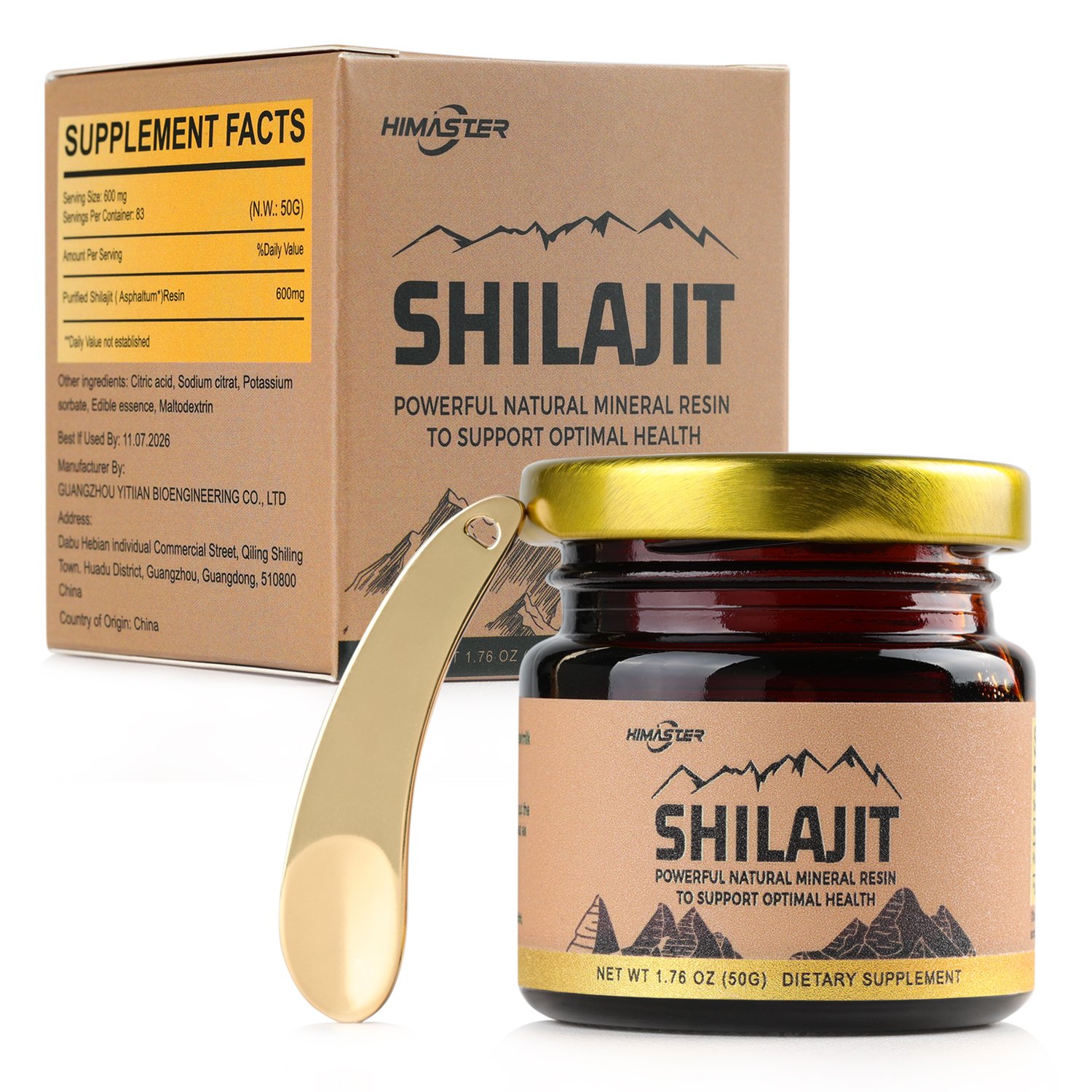
100% Pure Himalayan Shilajit Resin
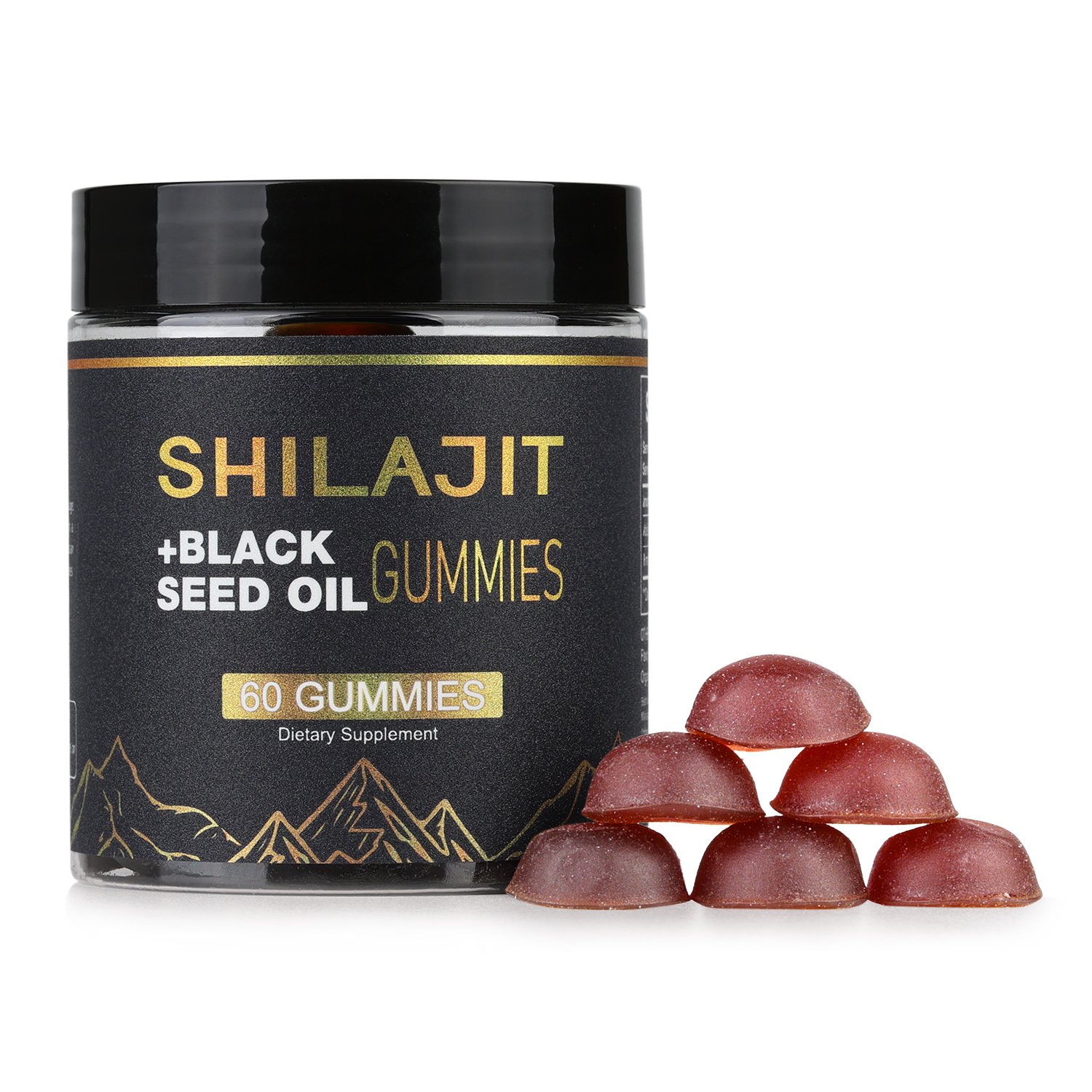
Shilajit Gummies
Shilajit Resin Benefits vs Capsules
Resin (Traditional Form):
- Most authentic; minimal processing
- Retains natural fulvic acid structure and higher mineral activity
- Allows flexible shilajit dosage control
- Slight learning curve—needs mixing and precise measuring

Capsules (Convenient Form):
- Easy to carry and dose; less mess
- Standardized, but often blended with fillers or lower fulvic content
- May lose some active compounds during encapsulation
If you value authenticity and full-spectrum minerals, resin wins. It’s closer to how shilajit has been used in Ayurveda for centuries. But if convenience and portability matter most, capsules can still offer mild benefits—just verify purity and fulvic content before purchasing.
For a side-by-side breakdown of absorption and user feedback, see the article “Resin vs Capsules: Which Form Fits You?” on the HiMaster Blog.
Ultimately, the best choice is the one you’ll use consistently. Whether resin or capsule, the secret lies in quality, purity, and listening to your own body.
FAQ: Common Questions About Shilajit Use
1. Can I take shilajit on an empty stomach?
2. How long does shilajit take to work?
3. Does shilajit interact with caffeine or coffee?
4. Is shilajit suitable for women’s daily routines?
5. Can I take shilajit before workouts?
6. Will shilajit break a fast?
7. What should I do if I experience side effects?
Final Note

Conclusion: Making Shilajit Part of Everyday Wellness

Used with respect and consistency, Himalayan shilajit isn’t just another supplement—it’s a mineral-rich adaptogen that reconnects you to nature’s slow rhythm. The key is simple: purity + moderation + routine.
Start with small doses, learn your body’s cues, and focus on quality over hype. Authentic shilajit resin like HiMaster’s A-grade form, harvested at 18 000 feet and verified for purity, lets you experience the full spectrum of trace minerals and fulvic acid benefits without unnecessary additives.
Think of it less as a “performance booster” and more as a grounding ritual. Whether stirred into warm milk at dawn or sipped in water before a workout, that one minute of stillness becomes a quiet reminder to slow down, breathe, and refuel from within.
For extra guidance on daily use, lifestyle integration, and user stories, visit the learning section on HiMaster Blog—you’ll find timing charts, recipes, and real-world insights that go far beyond the label.
1 Comment
Melatonin Free Sleep Gummies: How to Sleep Better Without Melatonin
12/03/2025[…] discusses similar mineral benefits in their shilajit breakdown, reinforcing how foundational nutrients can shape overall nighttime […]